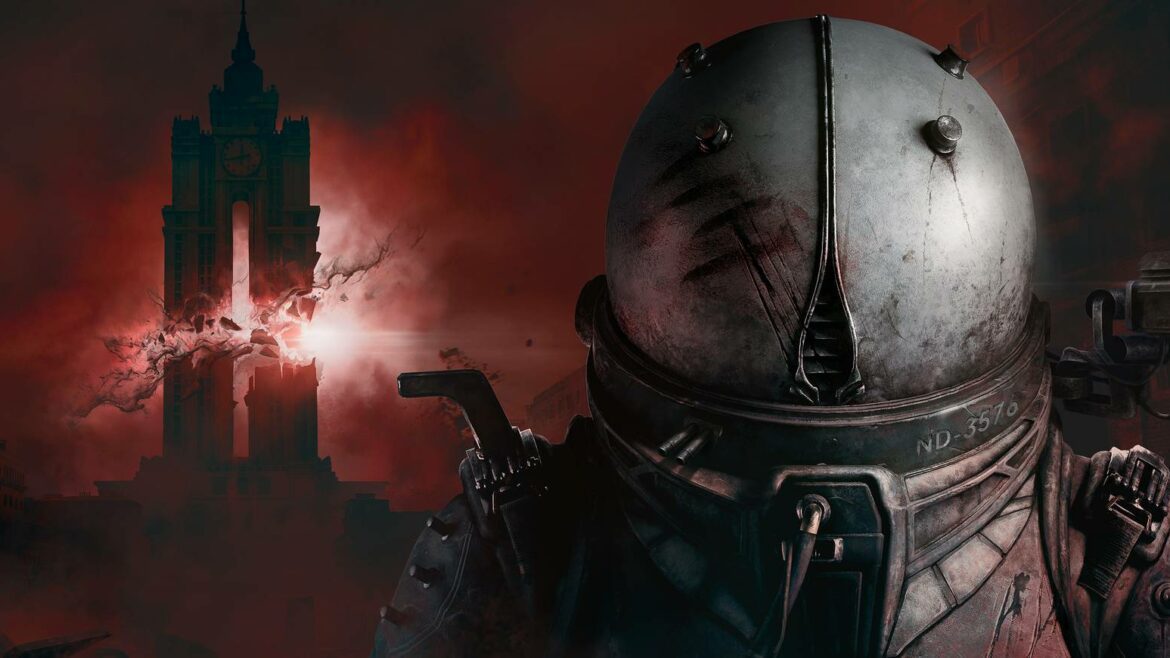

Cronos: The New Dawn – Bloober Team is a studio whose performance… is very up and down, and unfortunately the downs are often more than the ups. They have shown the ability to come up with very unique ideas and turn them into immersive, sophisticated horror experiences like Observer.
But in the opposite direction, Bloober Team has also many times created mediocre and forgettable games in both content and gameplay, such as Layers of Fear nice The Blair Witch Projectproducts that lack highlights and quickly sink into oblivion after launch, creating an average – weak “flag” for the company.
However, in recent years, this studio has begun to show signs of improvement. The Medium Although it is still controversial in terms of gameplay, it has a theme and storytelling style that is different enough to make its own mark.
And especially, we cannot help but mention the remake Silent Hill 2a truly impressive project both in terms of design and excellent gameplay innovations, showing that Bloober Team not only understands the spirit of psychological horror, but also knows how to carefully modernize it!
That's why, the company's latest game, Cronos: The New Dawn coming out of the success of Silent Hill 2 and carries a lot of expectations. This is not only a next project, but also a “test” to see whether Bloober Team has truly found a stable direction for themselves or whether the “old loop” will appear.
Let's “dive” into the past with MarkGame and find out what happened to Poland in the past. Cronos: The New Dawn through the following article!
YOU WILL LIKE
The future is shady
The biggest strength, and also the most convincing, of Cronos: The New Dawnlies in the plot. The player transforms into a nameless, ageless character, only known by a vague title – “The Traveler”, sent back into the past by a mysterious organization called The Collective. From this premise, it's safe to say that this is the best story Bloober Team has ever produced.
One of Bloober Team's inherent problems as a development team is that their ideas often feel like “weaker versions” of existing works. They borrow many familiar elements, but do not always handle them skillfully – Layers of Fear is a clumsier version of PT, The Blair Witch Project is a forgettable version of Dear Esther and Slenderet cetera… Cronos: The New Dawn is no exception to that trend.
The game has a distinct direction from Dead Spacefrom post-apocalyptic science fiction works such as 12 Monkeysto time travel type stories Looper. However, the thing that makes Cronos What surpasses most of Bloober Team's previous products lies not in the “originality” of the idea, but in the “spirit” of the story and the way it is told.
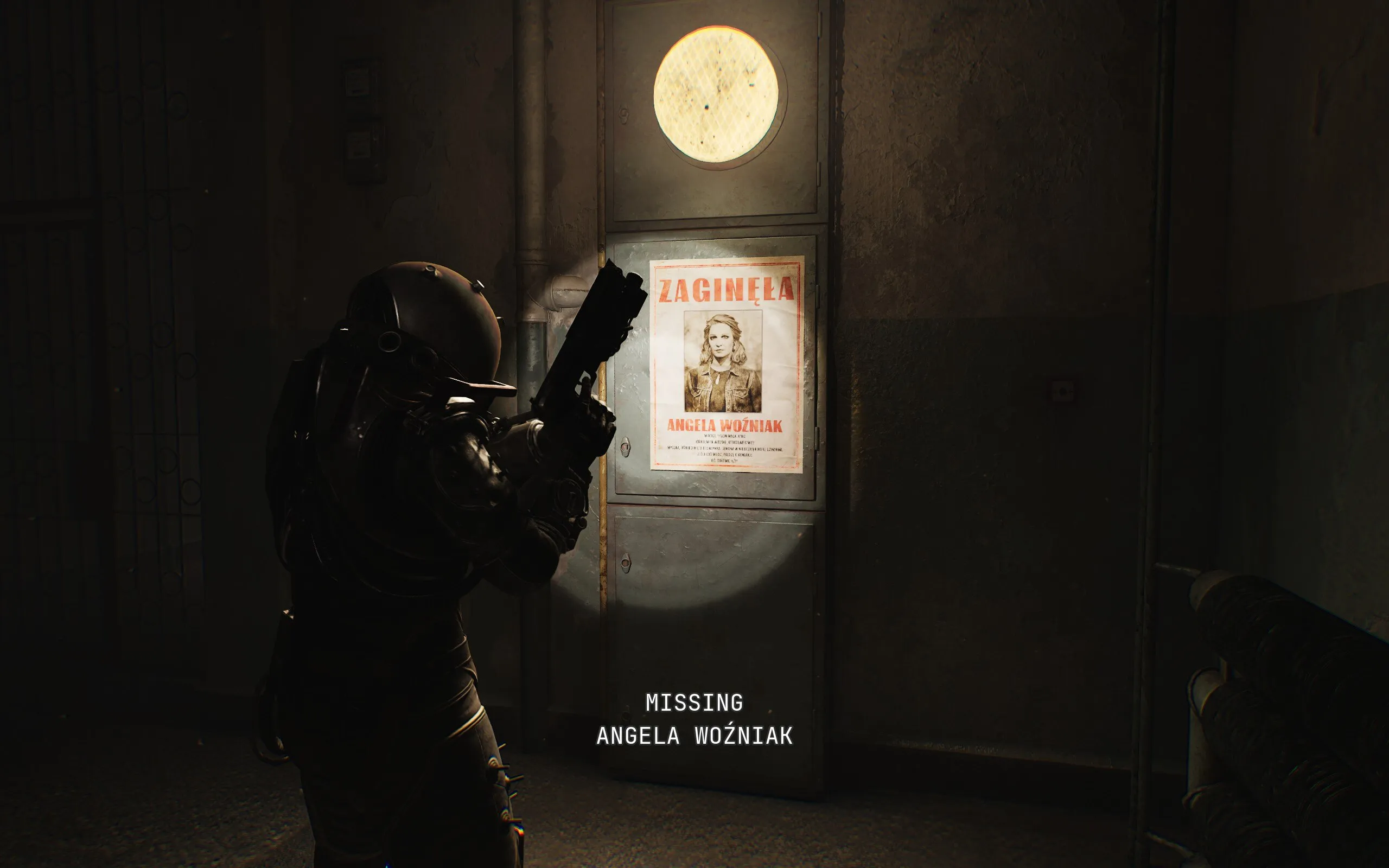
Main character of Cronos is an individual that exists almost without identity. No name, no age, no clear past, The Traveler exists only because of a vague mission assigned by an even more vague organization. She is set in a fading Poland after a catastrophic event in the 80s. This is the type of game where players know as little as possible before entering, because the game's storytelling is really effective. The mysteries are slowly revealed, every small detail is carefully installed, just enough to stimulate curiosity but not break the rhythm of the experience.
This narrative continually raises uncomfortable but intriguing questions. Why don't the supporting characters seem surprised by The Traveler's presence? Why do the corpses of other Travelers… look so scary like the main character? And why are the horrifying creatures wandering this ruined world called by a haunting name: Orphan, the orphans.
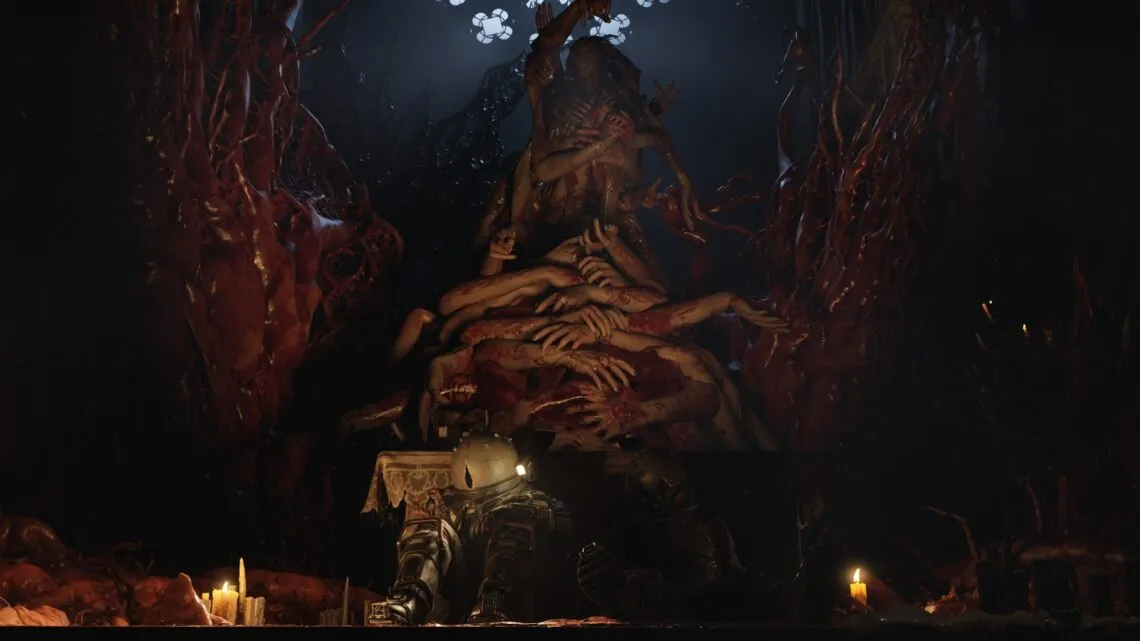
Besides the overall plot structure, script and how to build character interactions Cronos: The New Dawn is also a special highlight. The game balances very well between drama and the coldness and inhumanity of people from The Collective like The Traveler or The Warden, characters who exist as “tools”, speaking with orders, goals and obligations rather than emotions. This distance creates a clear counterpoint as they stand next to the remaining humans in the fading world.
On the contrary, characters like Edward or Atur are built with strong personalities, sometimes almost completely opposite to the gloomy surroundings. They are not just people who provide information or guide the player, but are individuals carrying fear, anger, despair and even fragile hopes.
It is this contrast that makes the conversations heavy and emotional, even though the context is always covered with a layer of coldness and unreality.
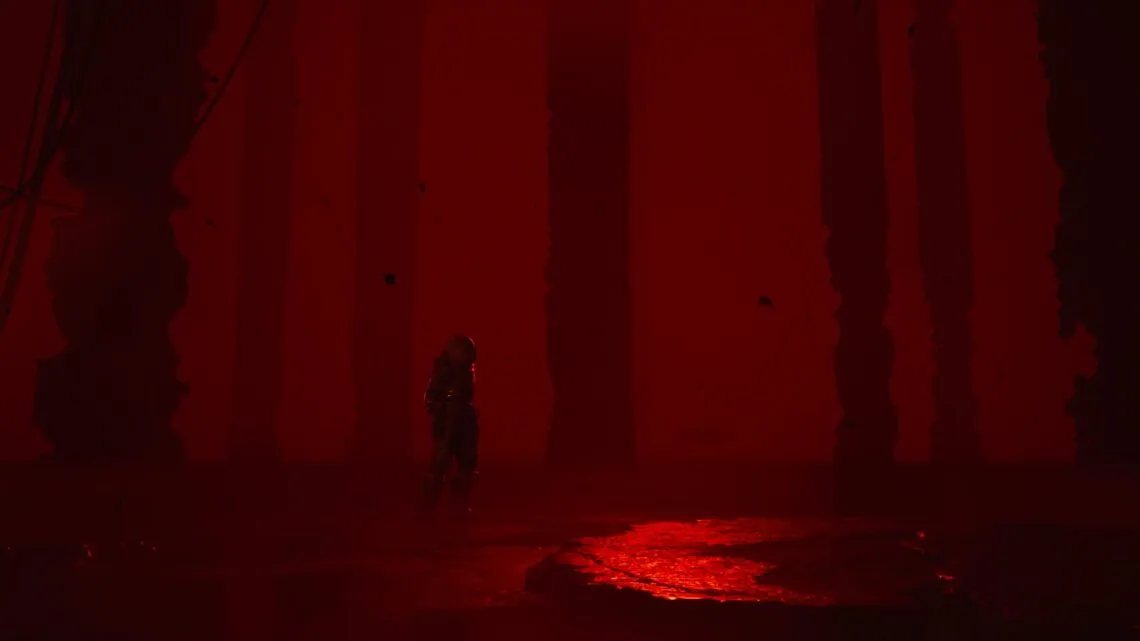
Most notable is the way the game gradually leads The Traveler towards the climax of the supporting characters' stories. Relationships are not built hastily or ostentatiously, but develop silently through each meeting, each choice and each small detail.
When the personal tragedies of Edward or Arthur reach their “breaking point,” players find themselves not only witnessing a time travel story, but also being pulled deeper into specific human destinies. This is something Bloober Team has rarely done before, and during Cronos: The New Dawnthey really did a great job.
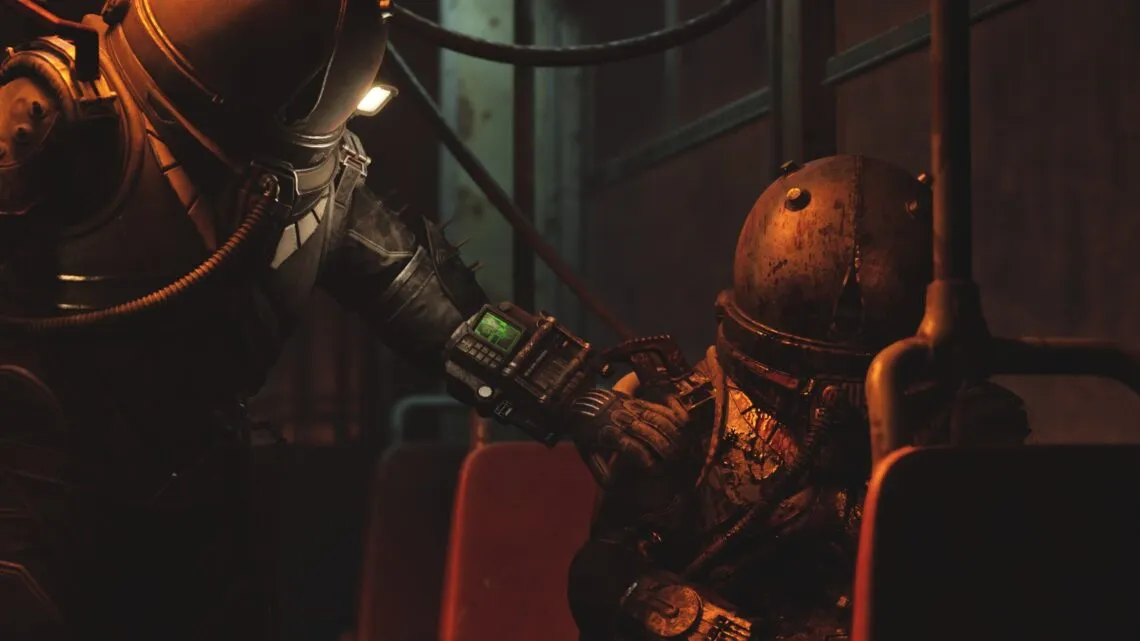
The biggest strength, and also the most convincing, of Cronos: The New Dawnlies in the plot
Those knots are gradually opened, the individual story lines are pushed to the climax, all combined to create a time travel story that is both complex and heavy. Cronos: The New Dawn does not try to renew the genre with shocking turns, but chooses to delve deeply into themes that have become classics of science fiction.
Fate, cycles, loss and questions about the value of being human. In the process, The Traveler gradually appears as an inhuman entity, forced to face other inhuman entities, from which the core question is not how to save the world, but whether retaining human nature still has any meaning.
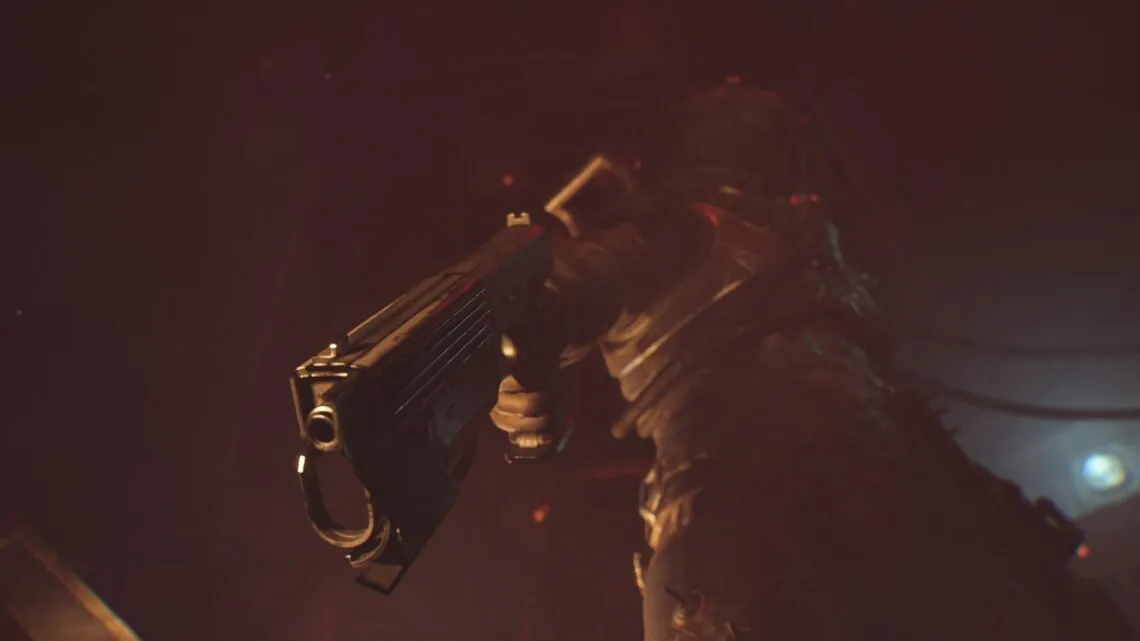
Spiral of violence
In terms of gameplay, Cronos: The New Dawn continues to show something familiar to Bloober Team: almost undisguised borrowing from previous survival horror games.
Imprint of Resident Evil 2 Remake clearly shown in the weapon design, from the heavy feeling, slow firing rate to forcing the player to consider each shot. The standing-in-place mechanism for upgrading armor, weapons, and equipment is directly reminiscent of Dead Spacewhile forcing the player to burn the enemy's body to avoid future disaster has a very clear sense of The Evil Within.
Usually, this “mixing” and “patching” is Bloober Team's inherent weakness. But in Cronos: The New Dawnthat becomes a strong point. The borrowed mechanics are not forcedly placed next to each other, but are tweaked to serve the game's unique pace and atmosphere.
Everything operates smoothly, is easy to understand and complements each other, creating a coherent, tense but not too heavy survival horror experience.

Specifically, the weapon system is one of my best points Cronos: The New Dawnwhere Bloober Team finds a rare balance between the streamlining of the games Resident Evil rework and flexibility in the design of Dead Space.
Each weapon in the game has a very clear role. Handguns deal consistent damage at close and medium ranges, suitable for frequent encounters. Shotgun plays a rescue role, helping players escape situations where they are too close. Meanwhile, rifles cause great damage but are slow and difficult to maneuver, forcing players to carefully calculate where and when to use.
The interesting point is that these weapons not only differ in role, but are also expanded by a special loading mechanism, allowing them to fire a more powerful shot or cause widespread damage. This mechanism bears the mark of Dead Spacemaking combat more than just aiming and shooting, but a process of constant consideration between attack, movement, and distance control. Getting close or keeping distance from monsters becomes a tense “dance” between life and death, where just one wrong decision is enough to pay the price.
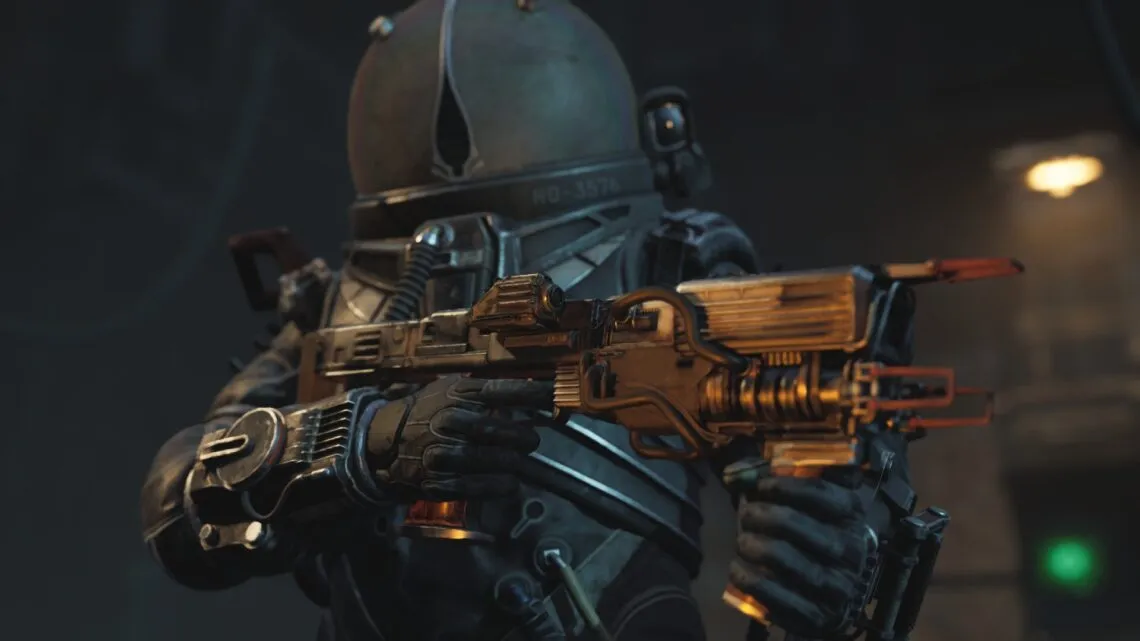
Besides guns, players also have access to highly tactical support tools. Temporal abilities allow environmental hazards such as explosive barrels to be recovered and reused, turning them into combat assets rather than passive obstacles. This encourages players to observe their surroundings and take advantage of the environment to conserve ammunition.
A special flame-throwing weapon called Pyre, along with fire grenades, plays a key role in controlling the enemy. They are used not only to stun but also to burn monster corpses, preventing them from being “eaten” by other enemies and evolving into more dangerous forms.
This “corpse eating” mechanism makes each battle much more stressful. In the first half of the game, it is quite pleasant and clearly tactical, but towards the end, when the number of enemies increases significantly, the clashes become much more fierce. Resources are depleted quickly, and even the most frugal players will feel the pressure to survive Cronos: The New Dawn continuously push up.
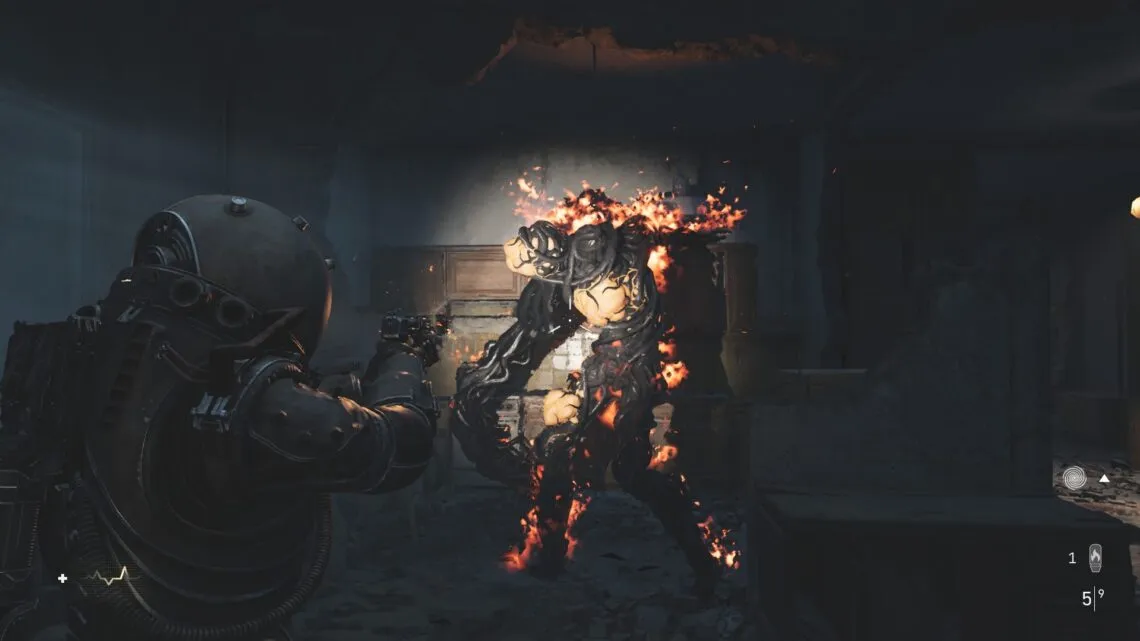
Overall, the gameplay of Cronos: The New Dawn is a commendable step forward for Bloober Team, with a clearly rhythmic combat mechanism, reasonably limited resources, and a “corpse-eating” enemy mechanism that makes every mistake or moment of inattention have consequences. The weapon system, temporal abilities, and Pyre complement each other so well that players are forced to think tactically, rather than just reflexively.
More importantly, Bloober Team shows that they understand why these mechanics have worked in other games. Instead of copying the “surface”, Cronos: The New Dawn focuses on the feeling of control, resource limitations, and psychological pressure on the player.
Having to stop to upgrade in the middle of a risky world, or deciding whether to waste ammo and time disposing of enemy corpses, all contribute to maintaining a constant state of tension. This is clear proof that, when placed in a reasonable context, borrowing is not necessarily negative, and this time, Bloober Team really did it very well.
When placed in the right context, borrowing is not necessarily negative, and this time, Bloober Team really did it well.
YOU WILL HATE
The last “grit”!
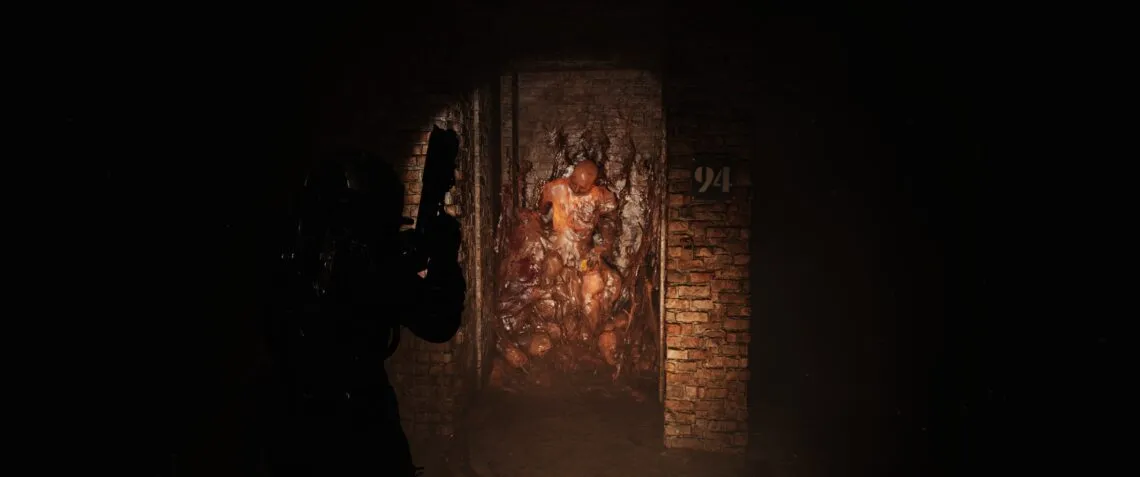
Final, Cronos: The New Dawn Although it is a clear and remarkable step forward for Bloober Team, it still cannot reach the threshold of excellence because of quite specific and easily recognizable shortcomings.
The biggest minus point lies in the acting. Some supporting characters have over-the-top performances, especially Edward, causing the serious and heavy story line that the game has worked hard to build to be broken at times.
In a story that places so much emphasis on feelings of inhumanity, destiny, and personal tragedy, such exaggerated dialogue and expressions create a feeling of “out of phase,” diluting the weight of climactic moments rather than complementing them.
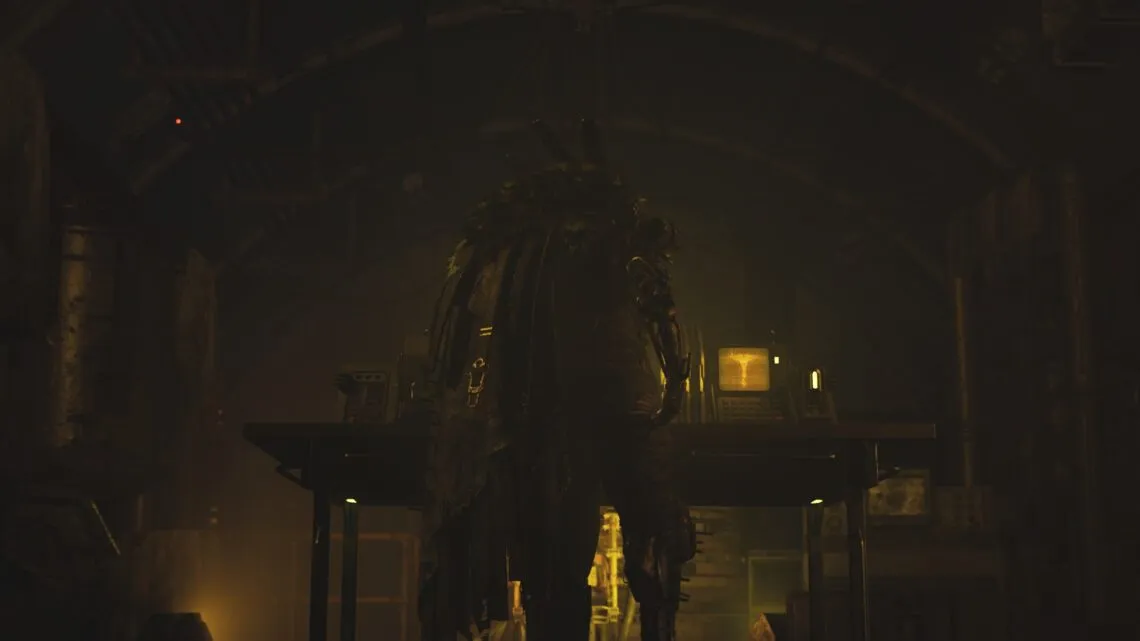
Besides, the game is also relatively short and has a fairly limited scope. The lack of variety in enemies and bosses is the most obvious problem. The entire experience revolves around… two big bosses and two mini-bosses, the rest of the time the player faces monster variations with different health amounts, changes in posture or speed but does not bring significant tactical differences.
Compared to other games that “borrowed” inspiration like Dead Spacewhere each enemy type forces players to adjust their approach, Cronos proved quite poor and repeated in the second half.
These limitations are not enough to deny anything Cronos: The New Dawn well done, but they show that Bloober Team has not yet completely overcome its inherent problems. The game is a move in the right direction, but still stops at “good” instead of becoming a truly outstanding work in the survival horror genre.
Cronos: The New Dawn Although it is a clear and remarkable step forward for Bloober Team, it still cannot reach the threshold of excellence because of quite specific and easily recognizable shortcomings.
Previous


Poll
 Loading ...